Melita Thomas (author of The House of Grey: Friends & Foes of Kings)

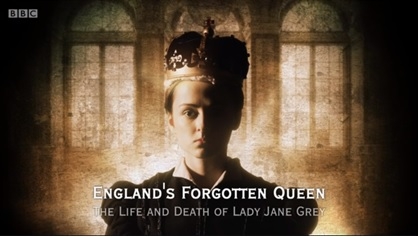
Undoubtedly, Lady Jane.
Jane was not queen under common law – even supposing Mary and Elizabeth did not count, and excluding Mary Queen of Scots as not qualifying as born out of the jurisdiction (debatable, but possible) the heir at common law would have been Margaret, Countess of Lennox, followed by her two sons, then Jane’s mother.
She was not queen under statute. That clearly settled the succession on Mary then Elizabeth.
Edward’s device and letters patent had no legal power to overturn statute. Henry VIII could not have left the throne away from Mary and Elizabeth by will, as it had been settled by statute. He only had the right to nominate an heir after Elizabeth, once the 1544 Act was passed.
Kathryn Warner (author of The Granddaughters of Edward III)

I’d say Queen Jane, using the precedent of Edward V in 1483, who was never crowned but is still called ‘Edward V’ and listed among our monarchs, so I’m not sure why Jane isn’t.